
| Museum
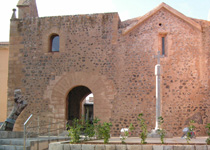
Located in the former chapel of St. Catherine of Alexandria from Port de Sóller, the only natural harbor on the Sierra de Tramontana and for centuries the only marketing route for the people of Soller. The building was built around 1280 and has experienced numerous episodes of destruction, reconstruction and epidemics.
It was used as a leper colony and hospital, still occupied by the Admiralty during the Spanish Civil War. After a period of neglect itwas transferred to the City of Soller, which conducted a comprehensive restoration process in 2004 to turn it into a thematic marine museum. Its rooms tells the gripping story of this seafaring people through ancient naval pieces, fishing-related items, model ships, historical photographs, documents, etc..
The museum is currently closed (possibly open in a few months), but hosts concerts and serves as headquarters of the Classical Music Festival Port de Sóller.

| Cultural Center
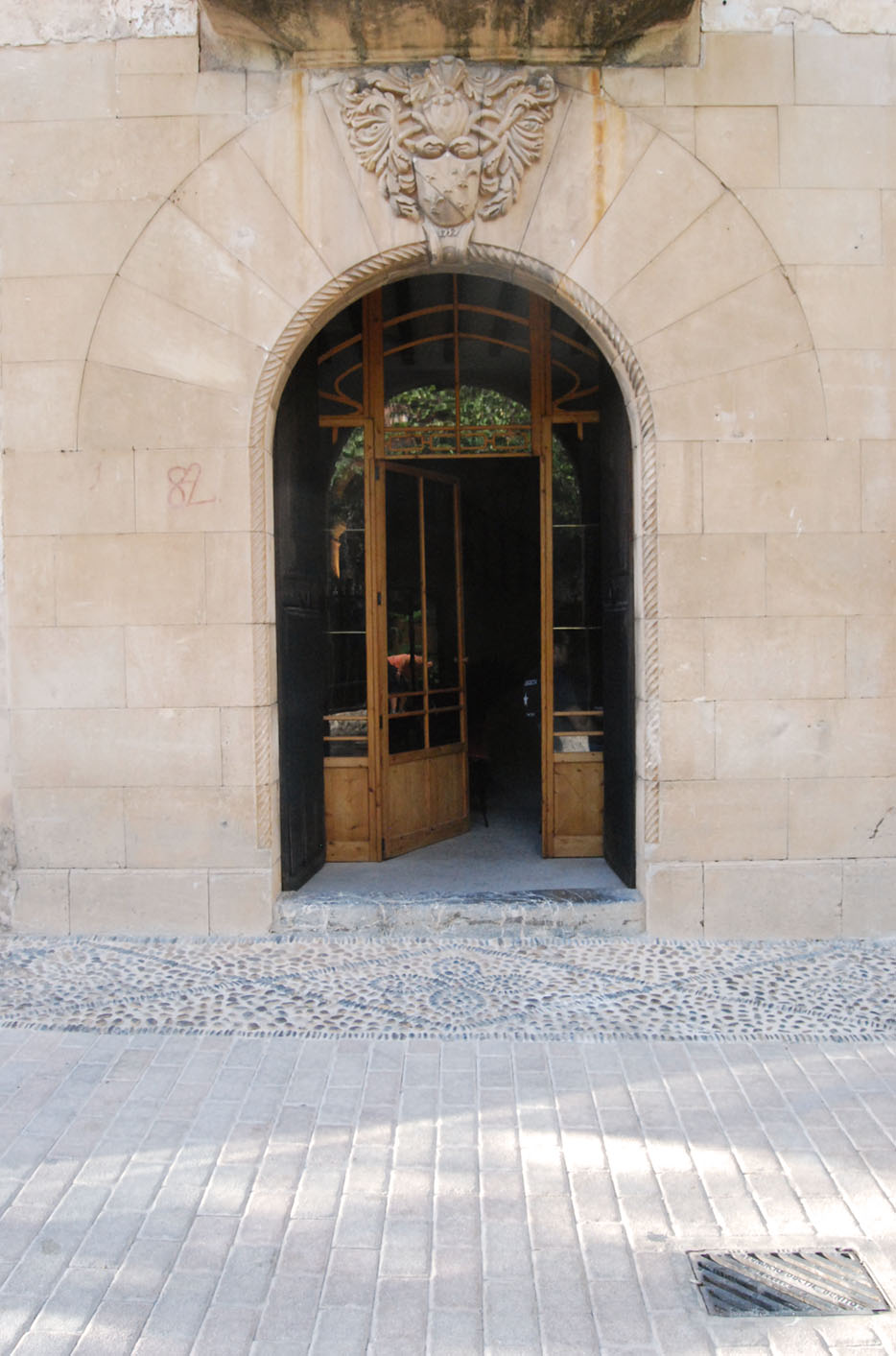
It consists of a group of people with extensive experience in different fields of culture, united to offer all kinds of activities that stimulate the life of Son Severa.

| Museum
This space is dedicated to the dissemination of craftsmanship and heritage of Arta. It opened in July 2012 by private initiative, in a house in the old town with a strong Mallorcan style. It is distributed in a ground floor, first floor and a patio that houses a peculiar cafe.
On the ground floor are shown original goods made by artisans and designers of the municipality: Ventura Albons, Tasso Mattar, Cassellas Guillem, Marta Matamalas Catherine Cañellas, Pau Obrador and Tous Niguel.
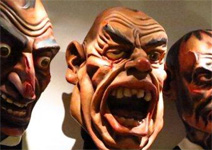
The first floor houses the exhibition Sa Rondaia, with works by the sculptor Pere Artanense Pujol (1934-2001). The rondalles Mallorquines (Majorcan rondallas) are folktales from the oral tradition that appeared in writing for the first time in 1880, compiled by Antoni Maria Alcover (under the pseudonym George d'es Raco) with the title Aplec de rondalles Mallorquines.
In the exhibition will be shown 40 figures inspired by their protagonists and made by this self-taught artist in papier mache, clay, resin and bronze. With his imagination and talent, Pere Pujol gave life to fantastic characters as Gusti Lladre, Estel d'or or the demons, witches and fairies who fill the various rooms.
| Cultural Center
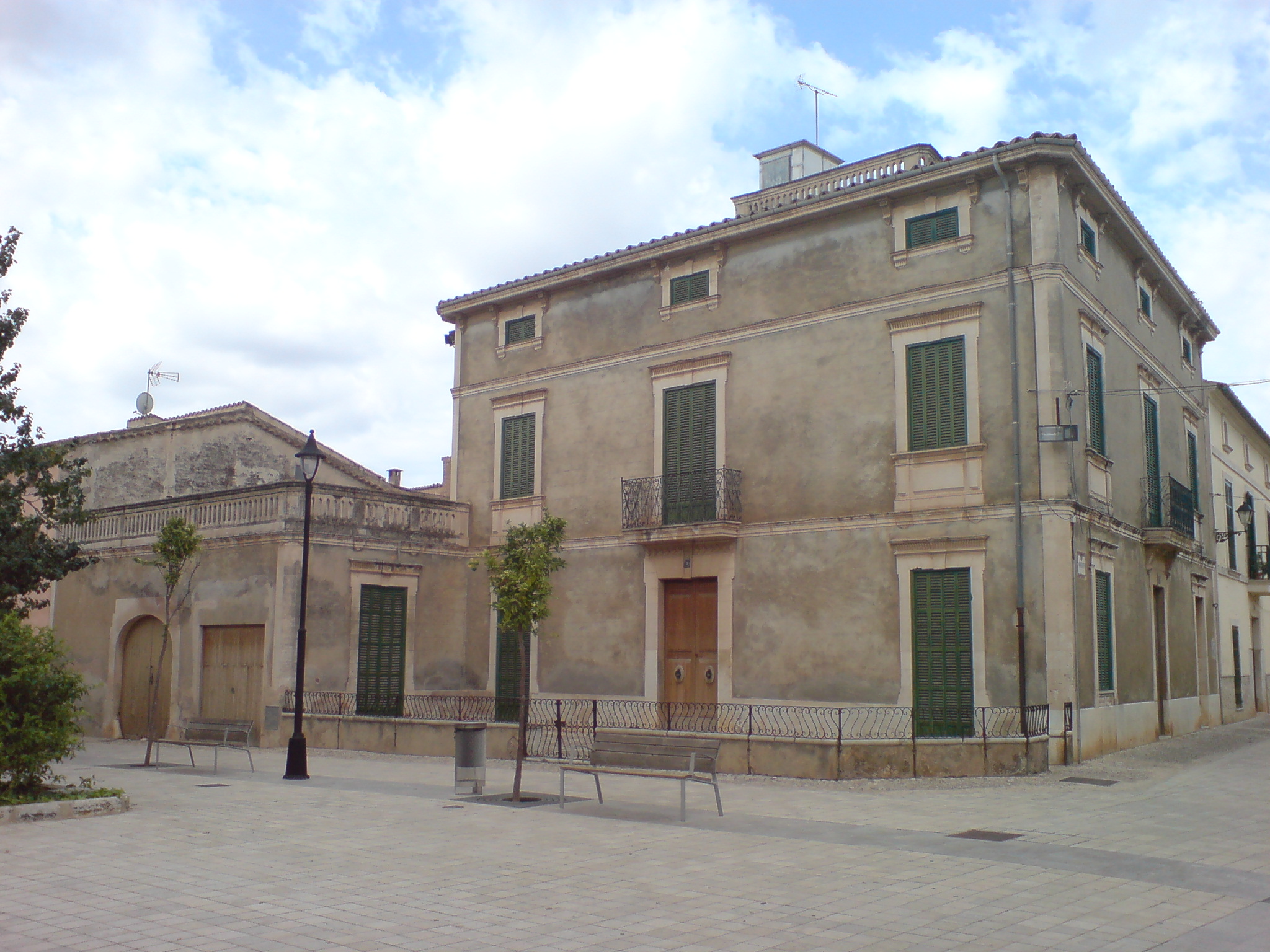
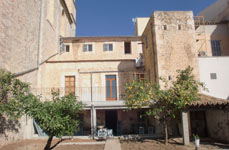
The ground floor of this building contained the old pharmacy of Santa Maria del Cami, while the upper floors of the building served as living quarters of the pharmacist. Hence the center is named ca s'apotecari which means 'house of the apothecary' in Majorcan. Now it is the property of the City Council, which restored it to become an eco-museum although for the moment, it does not work as such yet, it does host temporary exhibitions of painting and sculpture. This new space opened in April 2011.
| Cultural Center
This center of artistic creation is managed by the cultural association La Imposible. This association is tied from its beginnings to the dance company Mariantònia Oliver. This building used to be an ancient nun’s convent and the name was therefore kept the same (Ca Ses Monges means nun’s house). It offers residence programs through national and international exchanges of artists linked to dance, theater and visual arts. It also organizes monographic training courses, seminars, conferences and among other activities, a great summer festival.
| Cultural Center
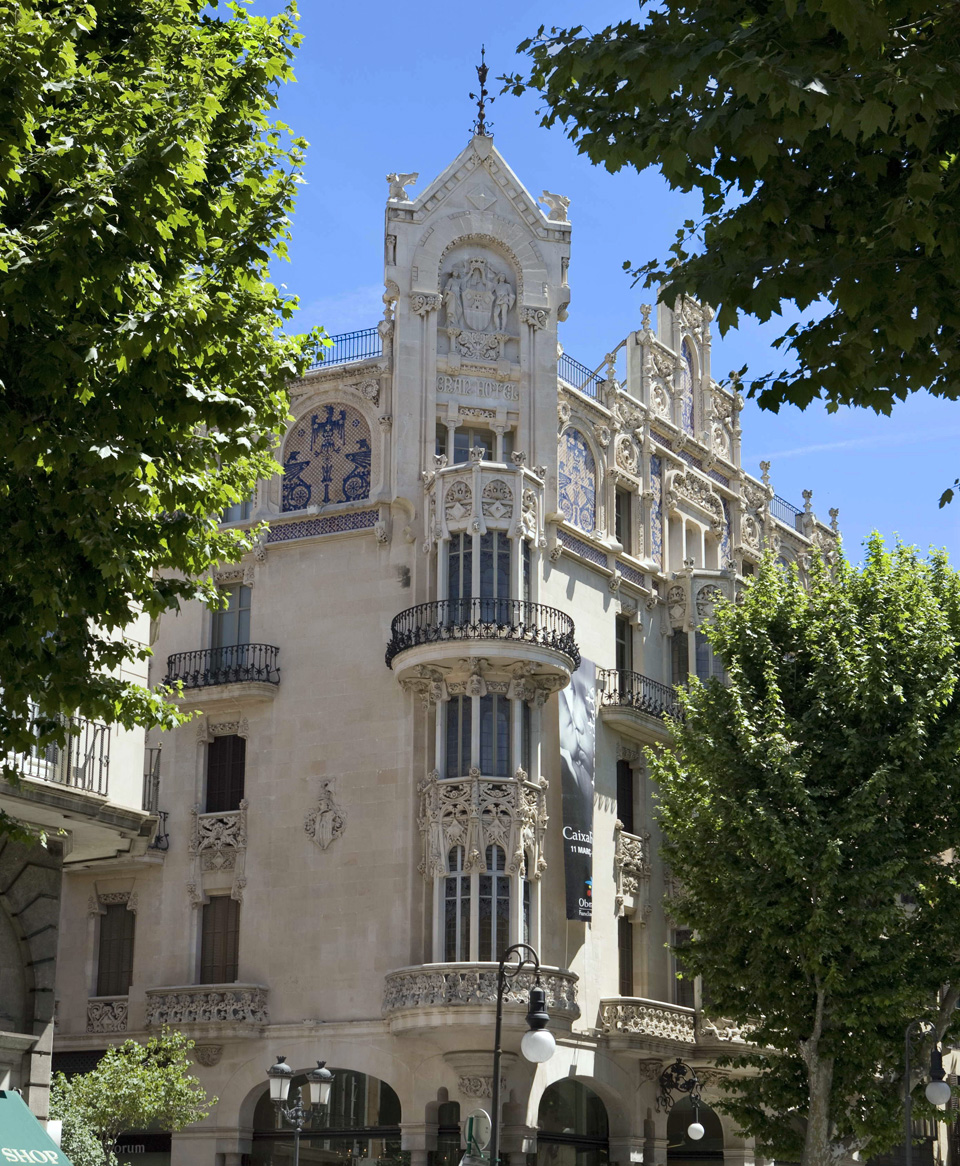
The Grand Hotel building, which opened on February 9, 1903, hosted the first luxury hotel in Mallorca. Of Modernist style and designed by Catalan architect Lluis Domenech i Montaner, a disciple of Gaudí. It is currently the headquarters of CaixaForum, which exhibits on a permanent basis works of the painter Hermen Anglada-Camarassa (1871-1959), one of the founders of the so-called School of Pollença.
It has two distinct areas devoted to the Catalan artist, one with large-scale works (Valencia and El tango de la corona) and the other more recent with unpublished drawings and paintings that are part of the collection of the Fundación La Caixa, which are renewed every September to coincide with the Nit de l'Art (Art Night).
In 2013 has been incorporated Gitanas, el hechizo del baile (Gypsy women, the spell of dance), the new thematic collection that brings together a selection of works from the permanent collection of Anglada-Camarasa at La Caixa Foundation related to this ambience. Catalogued as a Patrimony of Cultural Interest by the Ministry of Culture since 2003, it consists of 328 paintings and 194 objects.
The center is also engaged in assembling exhibitions and maintains an active program of family activities of an educational nature as well as interesting film cycles, music and lectures.
| Cultural Center
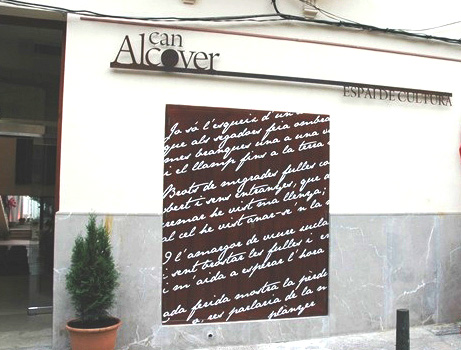
Can Alcover is a cultural center housing the creative world of the Majorcan poet, essayist and politician Joan Alcover (1854-1926). It is also used for other activities such as book launches, literary gatherings, courses and seminars. In the museum are displayed manuscripts, correspondence, books and the original furniture.
| Cultural Center
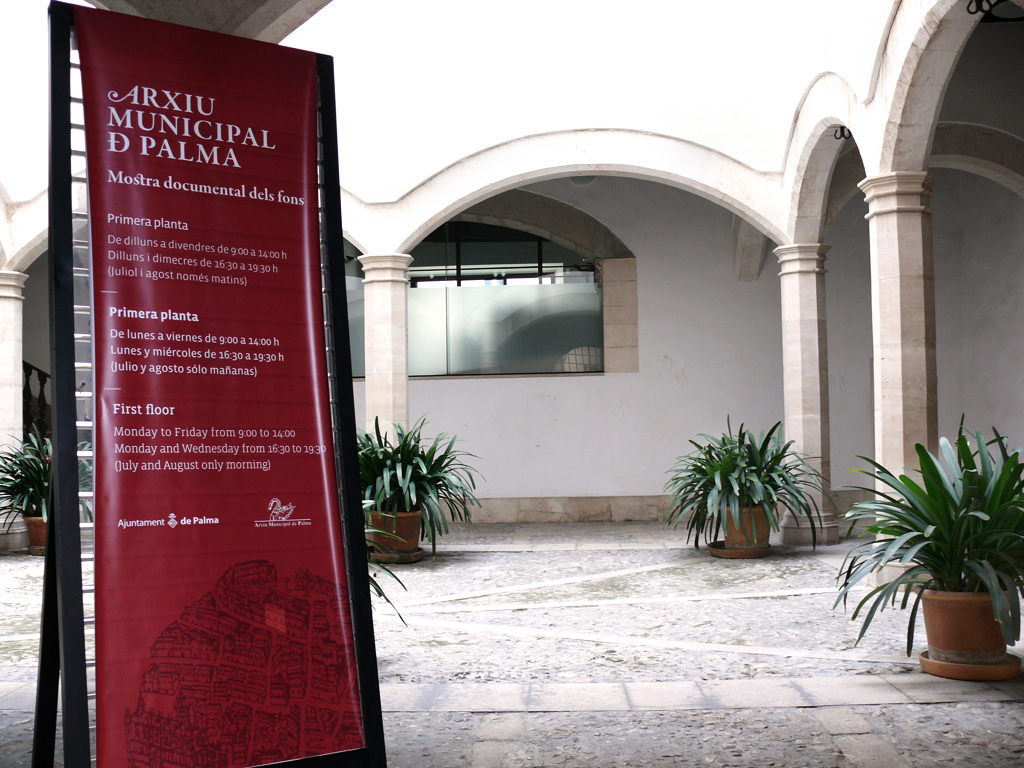
Owned by the City Council of Palma since 1982 and now headquarters of the Municipal Archives. In the thirteenth century the building was ordered to be rebuilt on remains of the Islamic era and was property of a Jewish lineage until 1450, when it was acquired by Salvador Sureda. In 1647 it passed, by marriage, to the Bordils family, which sir name has survived as the name of the manor, although after that it has been occupied by other families of the Majorcan nobility.
The facade shows a flat split over three floors with Portal of a semicircular arch and Renaissance windows. The courtyard, a square base and in the form of a cloister, has a covered part which preserves a beautiful wood paneling as on the first floor, the latter dating from the sixteenth century. It has undergone several reforms, among which the one done in the courtyard by the architect Guillem Forteza (1892-1943).
It houses a permanent exhibition which, through explanatory panels tells the story of the archive itself and the building, plus a representative sample of all the collections from 1206 to present. In the near future, it will become a center of interpretation of the Jewish quarter of Palma and a space to accommodate book presentations, conferences and art exhibitions.
| Museum
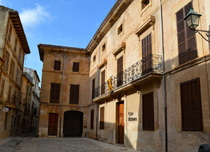
This stately building, located in the center of Pollença, was opened in November 2014 after a process of rehabilitation which has converted it into a house museum, home to the Historical Archive and Municipal Library. Its splendid facilities also serve to develop all kinds of activities in small format to promote reading, history and culture in general.
The House Museum offers visitors an example of architecture, history and ethnological aspects of a family of rural notables of Pollença in the second half of the nineteenth and early twentieth centuries. In the intervention carried out in the building by the City Council, most of the historical architectural elements and spaces characteristic of the old house have been conserved. Both the facade and the entrance hall, the kitchen, the imperial staircase, dining mezzanine and the first part of the first floor maintain their traditional furniture and ornaments
The building also houses the Historical Archives of Pollença, considered one of the best local files of the Balearic Islands, as well as private collections but of great documentary value. Among them are, the archive and library of the family Can Llobera, former owners of the building or the library that the poet and chronicler of the villa Miquel Bota donated to the City of Pollença.
Finally the Municipal Library, which occupies two distinct spaces on the ground floor (area for preschool and primary) and in the front porches of the building (reserved for youth and adults). In the latter the majority of the more than 19,000 books that make up its collection, including the local collection of themes of Pollença.